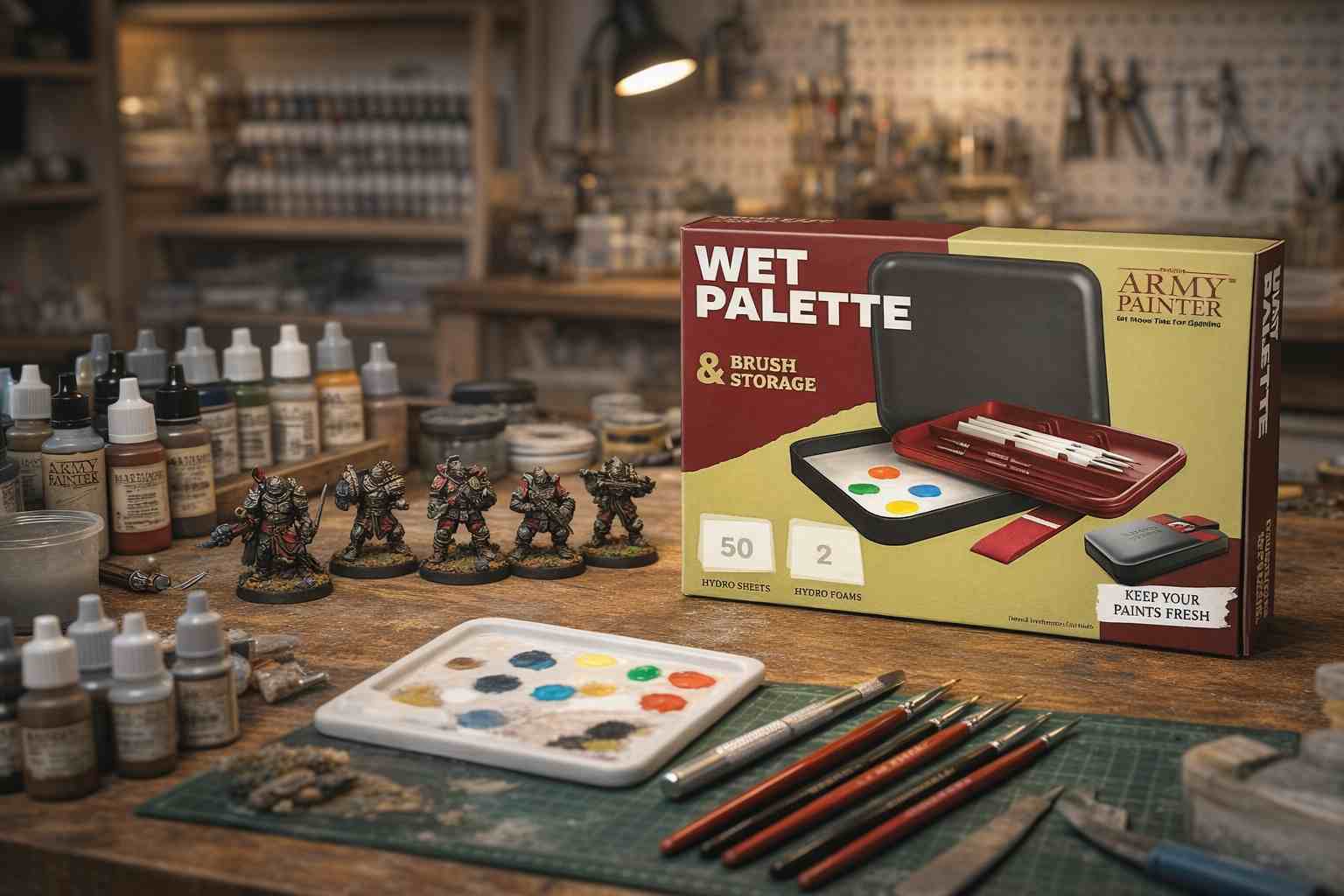
If you’ve ever sat down to paint your miniatures — carefully mixing colors, focusing on tiny details — only to see your paint dry before you even finish a single layer, you already know how frustrating the process can be.
This is one of the most common problems miniature painters face: acrylic paint dries too fast, breaks your workflow, and makes smooth blending almost impossible. Over time, this doesn’t just affect your results — it also makes painting less enjoyable.
The Army Painter Wet Palette was designed to solve exactly that problem. By keeping your paints hydrated and workable for hours — even days — it allows you to focus on what really matters: precision, control, and bringing your miniatures to life.
Whether you’re painting your first Warhammer figure or working on a display-quality piece, switching to a wet palette is one of the biggest upgrades you can make to your painting setup.
More importantly, it helps you stay in the flow — painting longer without interruptions, maintaining consistency across layers, and achieving results that look cleaner, smoother, and more professional.
It also reduces paint waste over time, saving money while giving you more control over color mixing and fine detail work.
Army Painter Wet Palette — Complete Review
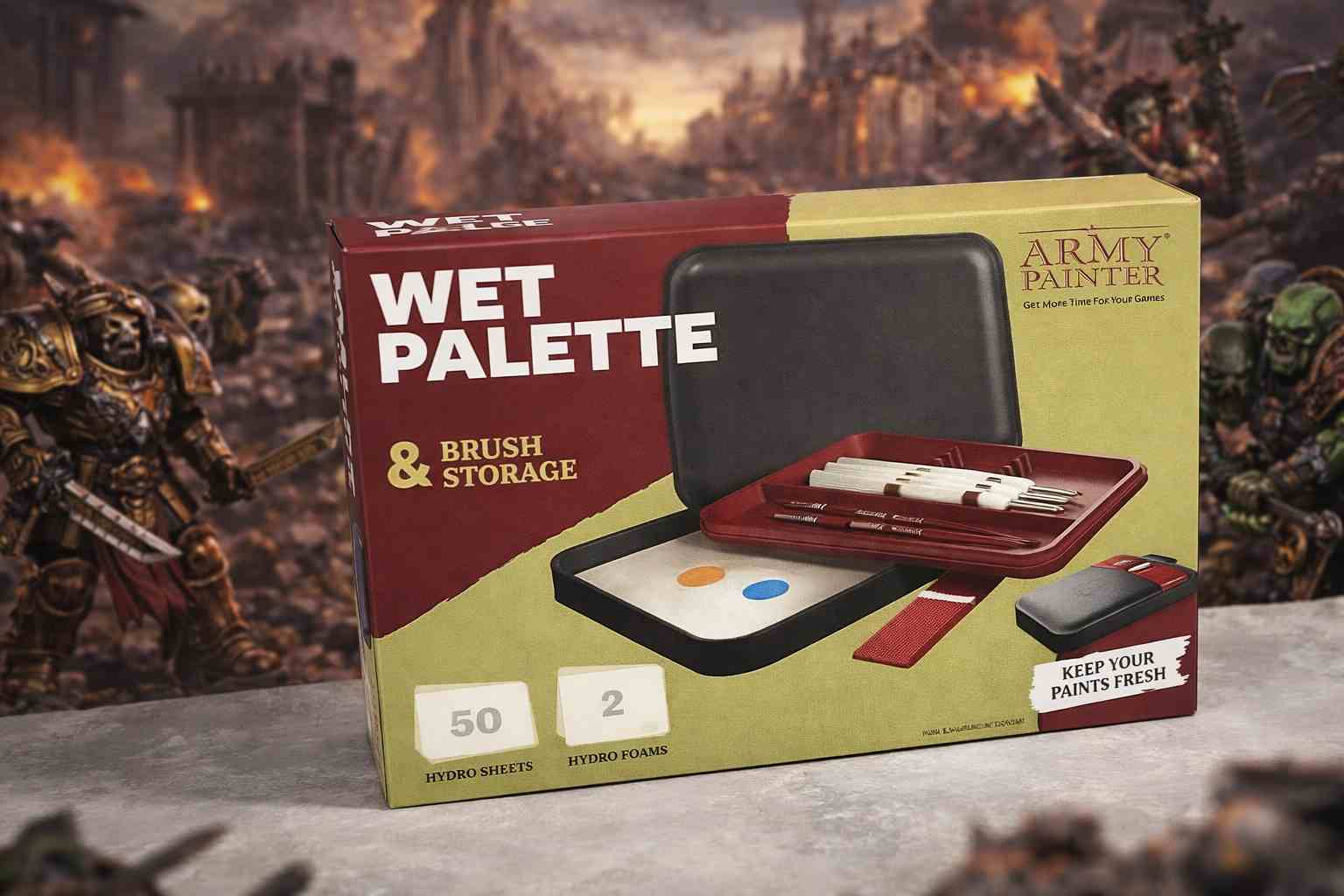
The Wet Palette uses a two-layer system: a foam reservoir that holds water and a sheet of hydration paper on top. Your paint sits on the paper and stays moist for hours — or days when sealed. This is the core reason this palette has become a staple on painting tables worldwide.
Common Problems This Wet Palette Solves
If you’ve ever felt frustrated while painting miniatures, you’re not alone. Most painters struggle with a few common issues that a wet palette is specifically designed to fix.
- Paint drying too fast: Acrylic paint can dry within minutes on a standard palette. This makes blending difficult and forces you to constantly remix colors.
- Wasted paint: When paint dries too quickly, you end up using more than necessary, increasing long-term costs.
- Inconsistent blending: Without a stable working surface, achieving smooth gradients becomes much harder.
- Interrupted workflow: Constantly rehydrating or remixing paint breaks focus and slows down your progress.
A wet palette directly addresses these issues by keeping your paint workable for longer, allowing smoother transitions and a more efficient painting process.
What’s in the Box
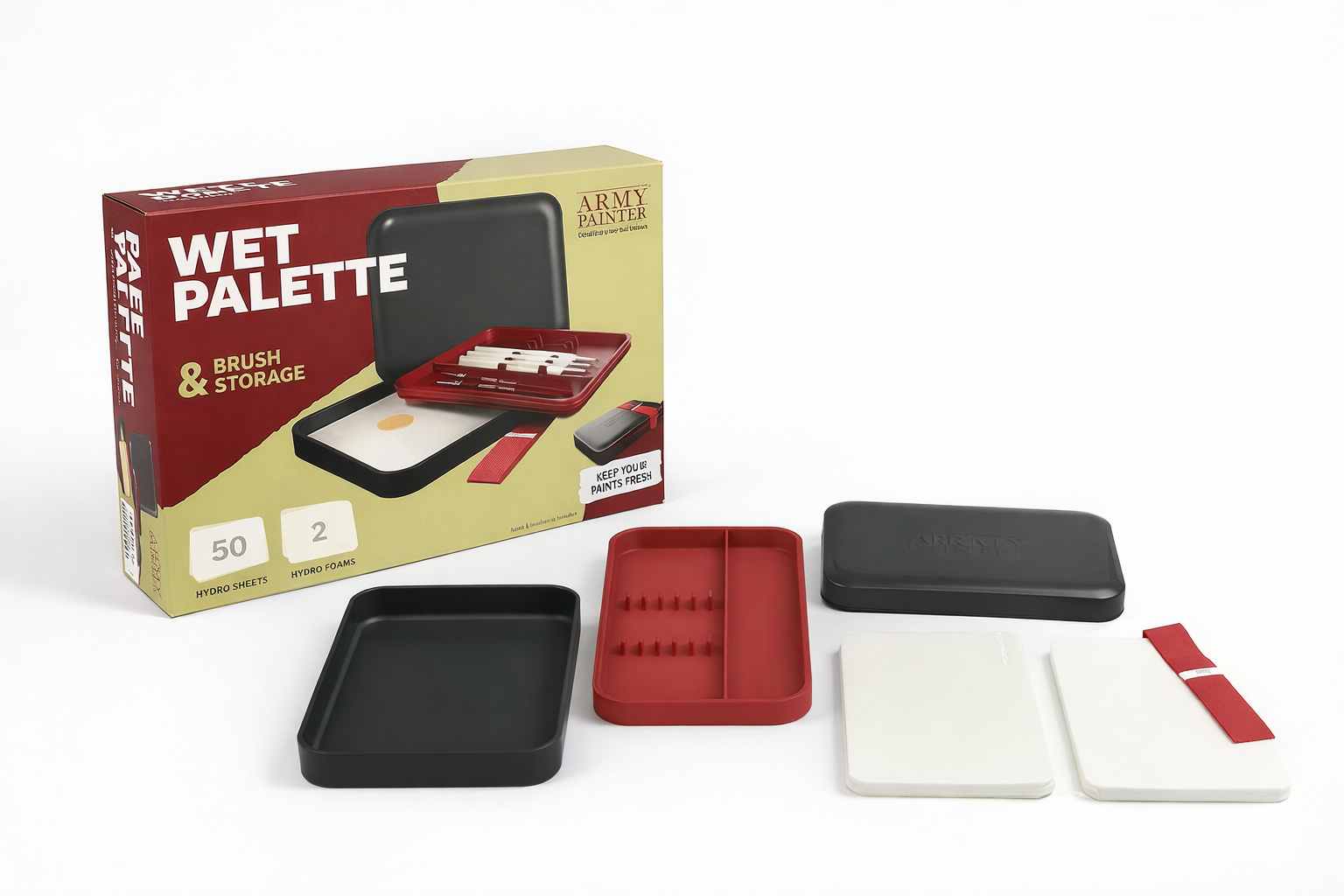
The kit comes with everything you need to get started:
- Airtight plastic case with lid
- 2 hydro foam sheets (reservoir layer)
- 50 hydro sheets (hydration paper)
- Built-in brush holder — fits up to 6 Wargamer and 10 Hobby brushes
Who Is the Army Painter Wet Palette For?
This palette is ideal for painters who work with acrylic paints — Games Workshop Citadel, Vallejo, Army Painter — and want smoother blending and less waste. This palette works equally well for beginners picking up their first miniatures and experienced painters working on display pieces.
Who Should NOT Buy the Army Painter Wet Palette
Despite its strengths, this palette is not the right choice for every painter. Understanding its limitations helps you make a better decision before purchasing.
- Oil paint users: Oil paints require a dry, non-absorbent surface. The moisture from a wet palette will interfere with oil paint consistency and drying time, making it unsuitable for this medium entirely.
- Painters who need maximum workspace: The Army Painter standard palette measures 19×12.5 cm. If you regularly mix large color batches or work on multiple models simultaneously, the Wargamers Edition XL — or the Redgrass Games Everlasting XL — offers significantly more surface area.
- Occasional painters who skip weeks between sessions: If you paint very infrequently, managing moisture, mold prevention, and foam maintenance may feel like more upkeep than it’s worth. A stay-wet medium added to a standard palette could be a simpler solution.
- Plein air or travel painters: While the airtight lid makes transport possible, the palette was not designed for field conditions. Foam saturation becomes harder to control away from a stable workspace.
If any of these cases apply to you, consider the Wargamers Edition XL bundle or evaluate whether a retarder medium added to your current setup might be sufficient.
Pros and Cons
Pros
- Keeps paint fresh for days when sealed
- Airtight lid prevents drying between sessions
- Compatible with third-party hydration paper refills
- Trusted brand with 20+ years in the miniature painting community
- Includes 50 hydro sheets — more than most competing palettes
- Built-in brush holder keeps your workspace organized
Cons
- Hydration paper included is limited to 30 sheets
- Foam layer needs replacing over time
- Smaller surface area compared to full-size alternatives
How to Use the Wet Palette
Getting started with a wet palette is simple, but a few small details can make a big difference in performance. Begin by adding clean water to the foam layer until it is fully saturated. The foam should feel evenly moist, but there should be no standing water pooling on the surface — excess water can oversaturate the paper and dilute your paints.
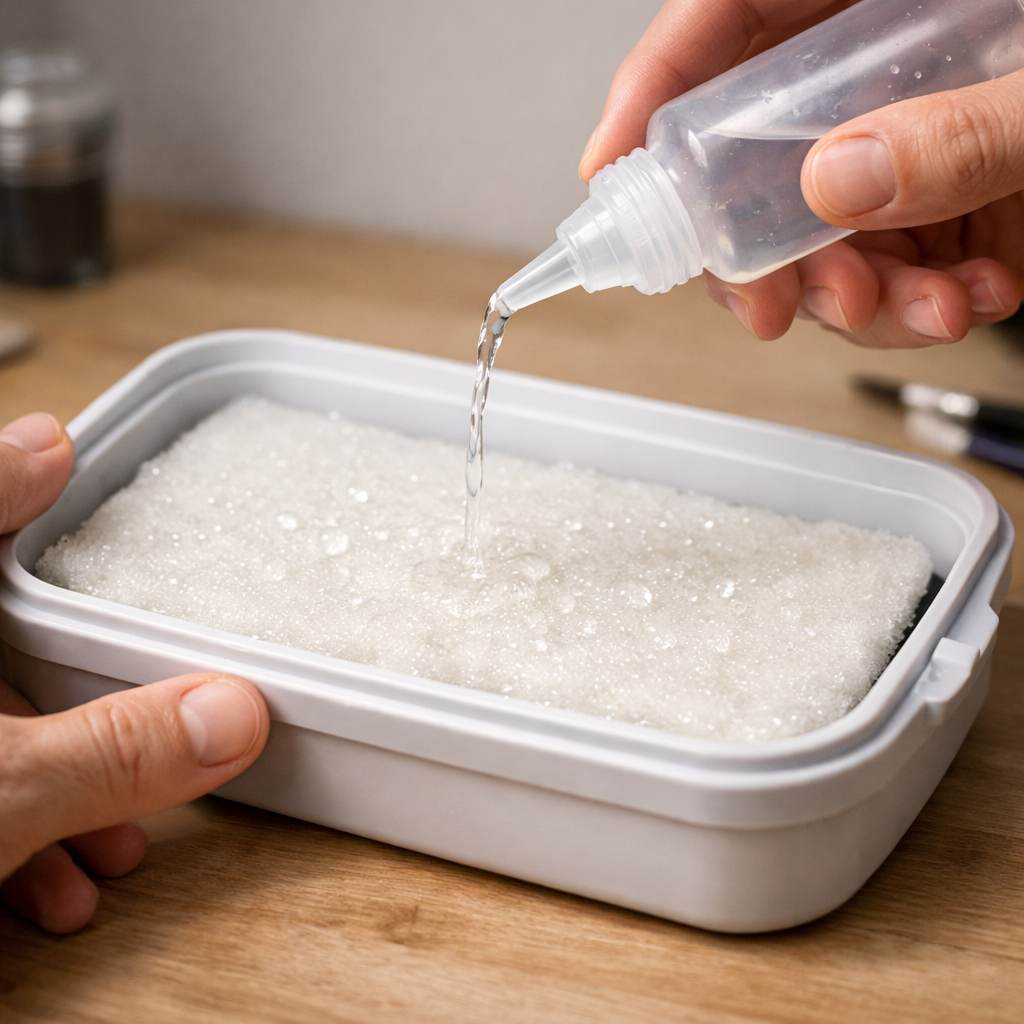
Once the foam is ready, place a sheet of hydration paper on top. Allow it to sit for about a minute so it can absorb moisture evenly. You’ll notice the paper flatten slightly as it hydrates — this is exactly what you want. A properly prepared surface ensures that your paints stay workable without becoming too watery.
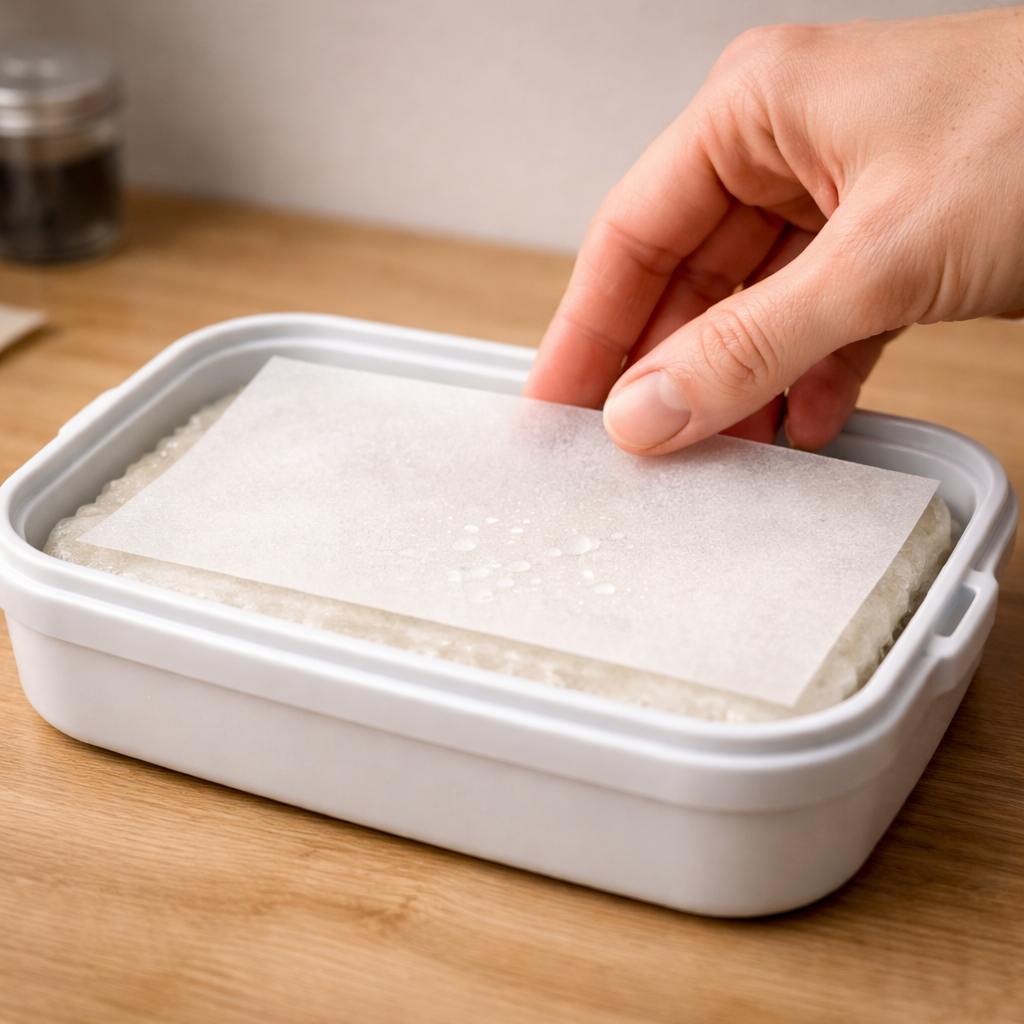
Apply your acrylic paints directly onto the paper. Instead of drying out quickly like on a traditional palette, the moisture from below keeps the paint usable for extended periods, allowing for smoother blending, layering, and more controlled application. This is especially useful when working on detailed miniatures where consistency matters.
During your painting session, you can refresh the palette if needed by adding a small amount of water to the foam. However, avoid overwatering, as too much moisture can cause paints to spread or lose opacity.
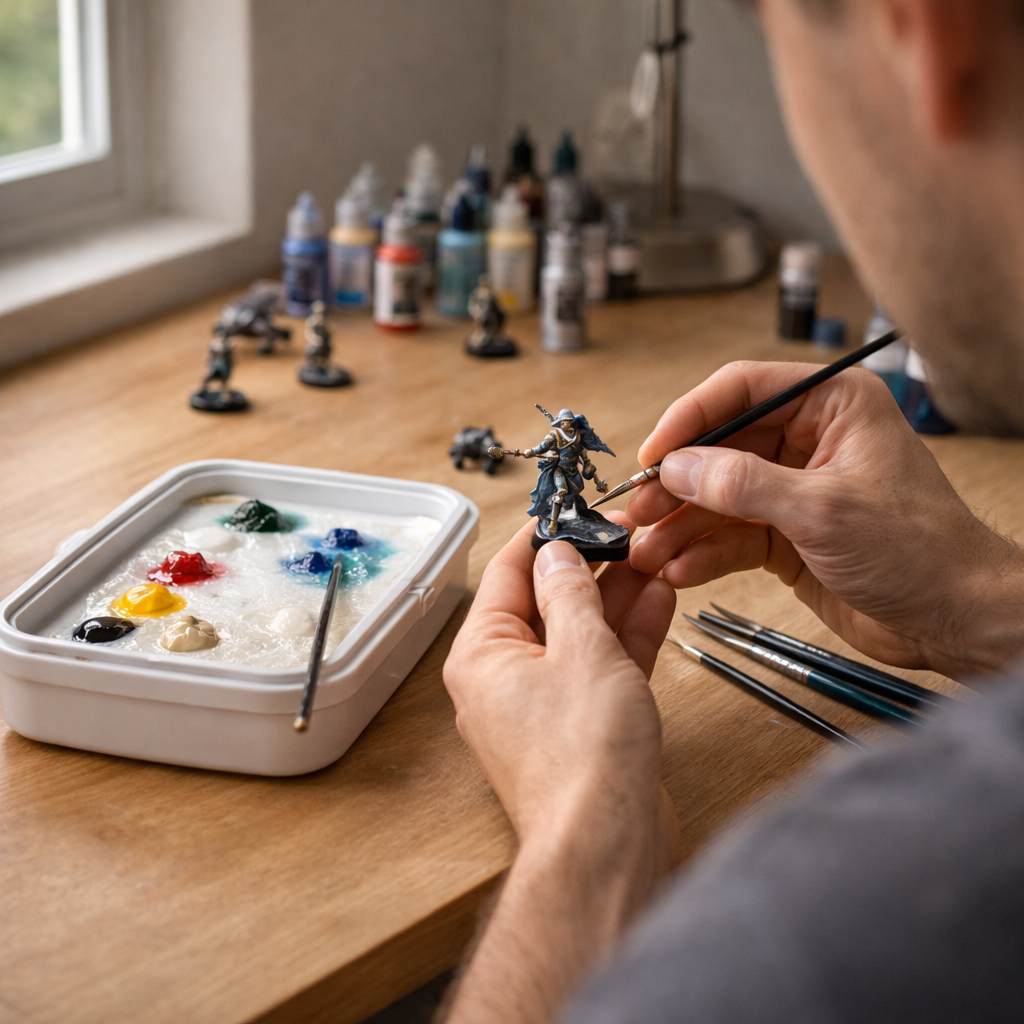
Between sessions, close the airtight lid securely. One of the biggest advantages of this system is that it preserves your paints for hours or even days, depending on environmental conditions. When you return, your paints will often still be in a workable state, saving both time and material.
For best results, use distilled water instead of tap water. Tap water may contain minerals and microorganisms that can promote mold growth over time. Distilled water helps keep the palette cleaner, extends the lifespan of the foam, and maintains the quality of your hydration paper.
As part of regular maintenance, replace the hydration paper when it becomes overly stained or starts to break down, and rinse the foam periodically to prevent buildup. With proper care, your wet palette will remain consistent, reliable, and ready for every painting session.
Advanced Tips for Better Results
Once you’ve mastered the basics, these techniques will help you get more out of every session:
- Pre-wet with a spray bottle: Instead of pouring water directly onto the foam, use a fine mist spray bottle. This gives you more even saturation and reduces the risk of over-flooding the surface.
- Double-layer paper for intense blending: For extended wet-blending sessions, place two sheets of hydration paper on top of each other. The second sheet acts as an additional moisture buffer, giving you even more working time for complex gradients.
- Recover paint from dried edges: If paint near the edge of the paper starts to thicken, add a single drop of water directly next to it — not on top — and gently work the moisture underneath with a brush tip. This reactivates the paint without diluting your mix in the center.
- Zone your palette: Divide the paper surface into color zones before starting — warm tones on one side, cool tones on the other, neutrals in the center. This prevents accidental cross-contamination during fast blending passes and keeps your workflow organized.
- Freeze leftover mixes: If you’ve built a perfect color mix that you’ll need again, seal the palette and store it in the freezer. Many acrylic paints remain usable for up to a week this way, allowing you to maintain color consistency across multiple painting sessions.
Compatibility with Refill Papers
One of the practical advantages of this palette is that it accepts third-party hydration paper. The Army Painter Hydro Pack Refills are the official option and include replacement foam pads. For painters who prefer Redgrass paper, the Redgrass Hydration Paper 50 Sheets also fits this palette.
Is the Army Painter Wet Palette Worth It?
At $34.99, the Army Painter Wet Palette is one of the best value entries into wet palette painting. The airtight case, reliable foam, and compatibility with third-party refills make it a long-term investment. If you paint miniatures regularly and haven’t switched yet, this is one of the best places to start.
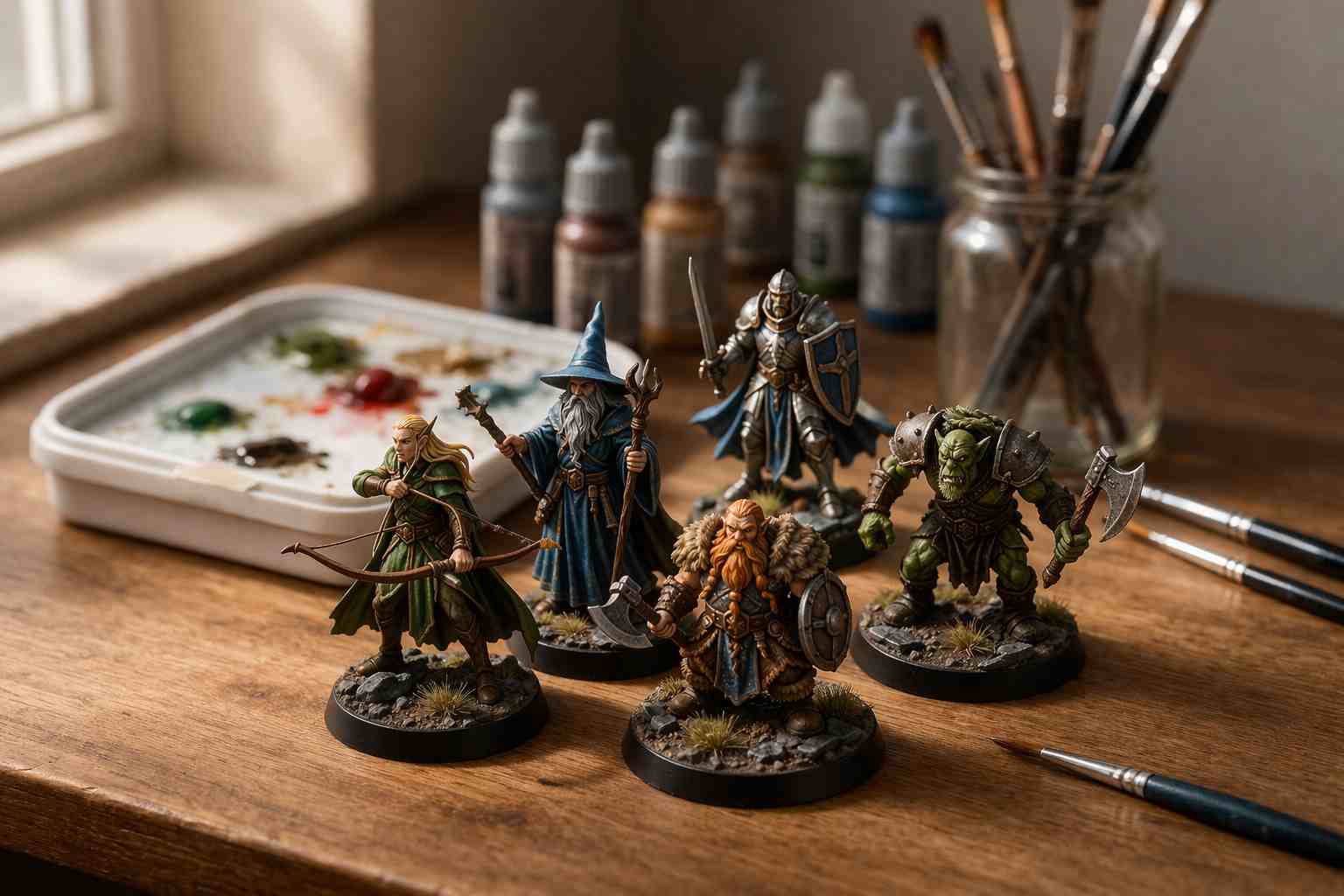
Wet Palette vs Dry Palette — Is It Worth the Upgrade?
If you’re still using a traditional dry palette, the difference is immediate. On a dry palette, acrylic paint begins drying within minutes, making blending difficult and often leading to wasted paint.
With a wet palette, paint stays workable for hours. This allows smoother gradients, better layering, and significantly more control — especially for detailed miniature work.
- Dry palette: fast drying, more waste, harder blending
- Wet palette: extended working time, smoother results, less waste
For most miniature painters, switching to a wet palette is one of the biggest improvements they can make.
Army Painter Wet Palette vs Competitors
The wet palette market has grown significantly, and several strong alternatives exist. Here is how the Army Painter Wet Palette compares against the two most popular competing options.
| Feature | Army Painter Wet Palette | Redgrass Games Everlasting | Citadel Colour Palette |
|---|---|---|---|
| Surface area | 19×12.5 cm | 25×18 cm (XL version) | ~15×10 cm |
| Airtight lid | Yes | Yes | No |
| Included paper sheets | 50 | 50 | 30 |
| Brush holder | Yes (built-in) | No | No |
| Third-party refill compatibility | Yes | Limited | No |
| Price (approx.) | $34.99 | $44–$55 | $18–$22 |
| Best for | Value + versatility | Serious painters needing workspace | Casual painters on a budget |
| Amazon | Check price on Amazon | Check price on Amazon | Check price on Amazon |
The Army Painter Wet Palette sits in a strong middle position: it outperforms the Citadel palette in almost every measurable way at a modest price difference, while remaining more affordable than the Redgrass XL. The built-in brush holder is a practical advantage neither competitor offers in their standard configurations.
The Redgrass Everlasting XL is worth considering if workspace is your primary concern — its larger surface area is genuinely useful for painters working on multiple models with complex color schemes. However, for the majority of painters, the Army Painter palette offers a better balance of features, refill flexibility, and price.
Available Bundles
Army Painter offers several bundle configurations. Each includes the same core palette with additional accessories at a better combined price.
| Bundle | What’s Included | Best For | Link |
|---|---|---|---|
| Wet Palette + Hydro Pack | Palette + 100 hydro sheets + 4 hydro foams | Painters who want extra refills from the start | Check price on Amazon |
| Wet Palette + Green Stuff | Palette + 20cm Green Stuff modeling clay | Painters who also do sculpting and gap filling | Check price on Amazon |
| Wargamers Edition XL | Larger palette (27x20cm) + 50 sheets + 2 foams + 30 paint wells | Painters who need more workspace and paint well storage | Check price on Amazon |
| Wargamers Edition XL Bundle | Larger palette + 100 sheets + 4 foams + 30 paint wells | Best value for serious painters upgrading to XL | Check price on Amazon |
Price: $34.99
Looking for refills? See our review of the Army Painter Hydro Pack Refills.
Common Mistakes When Using a Wet Palette
- Adding too much water (causes paint dilution)
- Not cleaning the foam regularly
- Leaving the palette open for too long
- Using tap water instead of distilled water
Maintenance Schedule
Consistent maintenance keeps the palette performing reliably and extends the life of both the foam and the hydration paper. The following schedule covers what to do and when.
| Frequency | Action | Why It Matters |
|---|---|---|
| After every session | Seal the lid tightly. Remove heavily saturated or stained paper if you won’t paint again within 48 hours. | Prevents mold from developing on unused wet paper. |
| Every 2–3 sessions | Remove the foam, rinse it under cold running water, and squeeze gently to flush out paint residue. | Paint buildup inside the foam reduces moisture distribution over time. |
| Weekly (active painters) | Replace the hydration paper. Inspect the foam for discoloration or odor. | Old paper becomes less permeable and can introduce contaminants to fresh paint. |
| Monthly | Deep-clean the plastic case with warm soapy water. Allow it to dry fully before reassembling. | Paint residue on the case walls can contaminate the foam layer over time. |
| When needed | Replace the foam sheet when it no longer retains moisture evenly or develops a persistent smell despite cleaning. | A degraded foam layer is the most common cause of inconsistent palette performance. |
Painters in humid climates — including tropical regions — may need to cycle paper more frequently, as higher ambient humidity accelerates mold growth even with distilled water. If you notice any fuzzy growth on the foam or paper, discard both immediately, clean the case thoroughly, and start fresh.
Frequently Asked Questions
How long does paint last on a wet palette?
Paint can stay workable for several hours, and even days if the palette is sealed properly between sessions. Environmental conditions — temperature, humidity, and how much paint you loaded — all affect the exact timeframe.
Do you need distilled water?
It’s strongly recommended. Distilled water helps prevent mold and extends the life of both the foam and the hydration paper. Tap water contains minerals and microorganisms that accelerate degradation of the foam and can introduce visible mold within a few sessions.
Can mold grow in a wet palette?
Yes, if not maintained properly. Regular cleaning, using distilled water, and replacing the hydration paper frequently reduces this risk significantly. If mold appears, discard the foam and paper, clean the case, and start with fresh materials.
Can you use oil paints on a wet palette?
No. Wet palettes are designed specifically for water-based acrylic paints. Oil paints require a dry, non-absorbent surface to maintain proper consistency and drying characteristics. Using oil paints on a wet palette will ruin both your paint mixes and the hydration paper.
How often should you replace the foam?
The foam typically lasts several months with regular use. Replace it when it shows discoloration that won’t rinse out, develops a persistent odor, or no longer distributes moisture evenly across the surface. The Army Painter Hydro Pack Refills include replacement foam pads at a reasonable cost.
Is a wet palette worth it for beginners?
Yes — arguably more so than for experienced painters. Beginners benefit most because the extended working time removes one of the most common sources of frustration: paint drying before you’ve finished a single coat. A wet palette gives you the time to experiment, correct mistakes, and learn blending without constantly rushing against the clock.
Can you travel with the Army Painter Wet Palette?
Yes, with a few precautions. The airtight lid makes it more travel-friendly than open palettes. Before transporting, drain excess water from the foam to avoid leaks, store the palette flat, and place it in a sealed bag as a secondary precaution. It’s not designed for field use, but it handles short trips well.
How do you prevent mold in a wet palette?
Use distilled water instead of tap water, replace the hydration paper regularly, rinse the foam after every few sessions, and allow the palette to dry fully before any long-term storage. Painters in warm and humid climates should be especially diligent about paper replacement, as mold develops faster under those conditions.
Ready to upgrade your painting setup?
Check Price on Amazon →If you plan to use this palette long-term, it’s worth checking the Hydro Pack Refills review to understand ongoing costs and compatibility.
As an Amazon Associate I earn from qualifying purchases. Prices are subject to change — check Amazon for current pricing.